Europe’s wonderful, but it’s a long way, and sometimes the best adventures are practically on our doorstep. Just a few hours north of Auckland sit two Pacific gems that the rest of the world hasn’t quite cottoned on to yet. No crowds, no queues, no fighting for a sun lounger. Just warm water, big landscapes and that rare feeling of having somewhere all to yourself.
Here’s why Niue and Vanuatu deserve a spot at the top of your list.
Niue: the tiny island that punches way above its weight
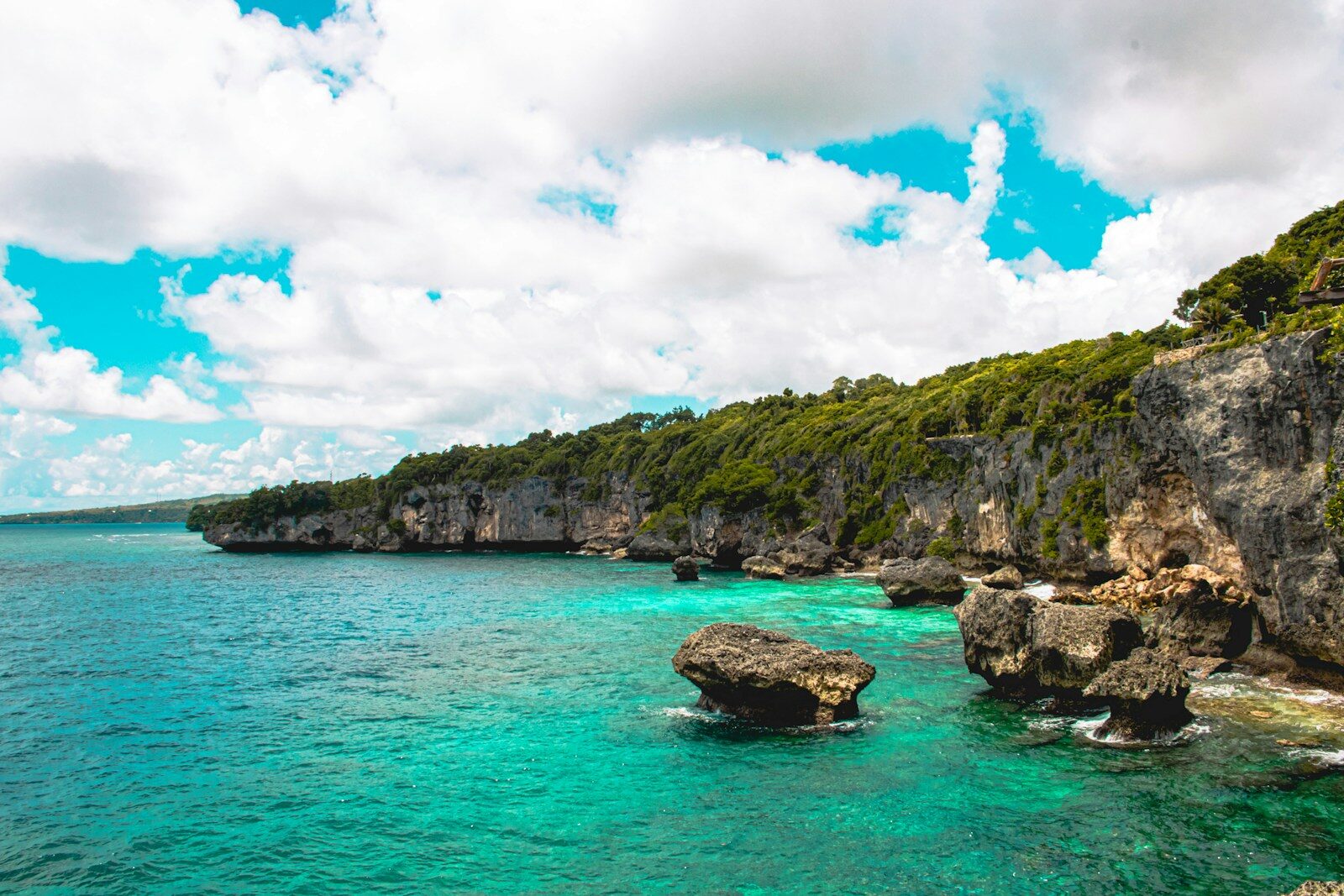
If you’ve never heard much about Niue, you’re not alone and that’s exactly the point. A 100-square-mile raised coral atoll home to roughly 1,800 people, sitting between Fiji and Tonga, Niue barely registers on the travel blog circuit. Fewer than 10,000 visitors make it here each year and that’s by design. Which means while everyone else is shuffling through the same packed resorts, you’ll have crystal-clear water and dramatic coastline almost entirely to yourself.
Swim with humpback whales
This is the headline act. Niue is regarded as one of the premier whale-watching spots on the planet, and one of only a handful of places in the world where you can actually swim with humpback whales. From roughly July to October, humpbacks migrate up from Antarctica to give birth and nurse their young in Niue’s warm, sheltered waters — and the encounters are tightly regulated to protect the animals. Niue’s rules cap each swim at a maximum of six swimmers plus one guide, so there’s no scrum, no chaos — just you, the blue, and a creature the size of a bus. You can often spot whales right from the land, too, which means your morning coffee at a clifftop café might come with a free tail-slapping show.
Water so clear it doesn’t seem real
With no rivers to wash sediment into the sea, Niue’s water is staggeringly clear — divers regularly report visibility of up to 80 metres, along with spectacular cave and cavern diving and vibrant hard-coral reefs. Even if you never put on a tank, the snorkelling is world-class, and Niue’s resident spinner dolphins often join in.
Chasms, caves and hidden pools
Because Niue is essentially one big slab of limestone, it’s riddled with extraordinary natural features. Matapa Chasm near Hikutavake was once a swimming pool reserved for royalty, and the spectacular Avaiki Cave at Makefu has a similar regal past. You don’t need a boat for most of them — just follow a forest track or a staircase down through a cleft in the rock to find living coral, masses of bright fish, and a swimming spot that feels like a lost world. At the Talava Arches the waves almost crash into the cave with you, and best of all, Niue’s caves are completely free to visit.
Stargazing like nowhere else
When the sun goes down, look up. Niue holds a UNESCO Dark Sky designation, with almost no light pollution, the night sky here is jaw-dropping.
Good to know before you go
Niue takes a bit of planning, which is part of its charm. Air New Zealand flies direct from Auckland twice a week, Tuesdays and Saturdays — taking around three and a half hours, so your trip naturally falls into neat 3.5-day or 7-day blocks. Accommodation is limited, so book three to six months ahead for whale season, and lock in your whale-swim permit early, as daily numbers are capped. Bring New Zealand dollars in cash — the island’s banking and ATM facilities are very limited. And keep Sunday free for exploring on land: it’s a traditional day of rest in Niue, so the boats stay ashore.
Vanuatu: adventure with a side of culture
If Niue is all about slowing down, Vanuatu is where you dial the adventure back up. This archipelago of around 80 islands serves up some of the Pacific’s most jaw-dropping experiences and after a tough couple of years, it’s well and truly back open for business.
On Tanna you can stand on the rim of Mt Yasur, one of the world’s most accessible active volcanoes, and watch it spit and glow against the night sky. On Espiritu Santo there are the famous blue holes, freshwater swimming spots so vivid they look photoshopped — plus the SS President Coolidge, a WWII wreck that’s become one of the planet’s great shore dives, and the powder-white sands of Champagne Beach. Add in rich ni-Vanuatu culture, village visits and a kava ceremony or two, and you’ve got a holiday with real depth.
Is it open? Yes. Vanuatu weathered significant earthquakes in late 2024 and again in early 2026, but recovery has been strong. The vast majority of hotels, accommodation and restaurants are fully operational and welcoming visitors, and flights are running normally. New Zealand, Australia and the United States all keep Vanuatu at their lowest travel-advisory tier. meaning normal precautions, not an elevated-risk destination. A few pockets of central Port Vila are still being rebuilt, so it’s worth confirming details with your accommodation, but the warm welcome Vanuatu’s known for hasn’t gone anywhere.
One thing to note: the Pacific cyclone season runs from around November to April, so the cooler, drier months in the middle of the year are the sweet spot.
Two islands, one easy decision
Whether it’s swimming alongside a humpback in Niue’s impossibly clear water or watching a volcano light up the night in Vanuatu, these are the kinds of experiences you’ll be talking about for years — and they’re far closer than you think.
Let the team at Best Travel help you plan it. From flights and permits to the perfect place to stay, we’ll take care of the details so you can focus on the adventure. Get in touch today.