
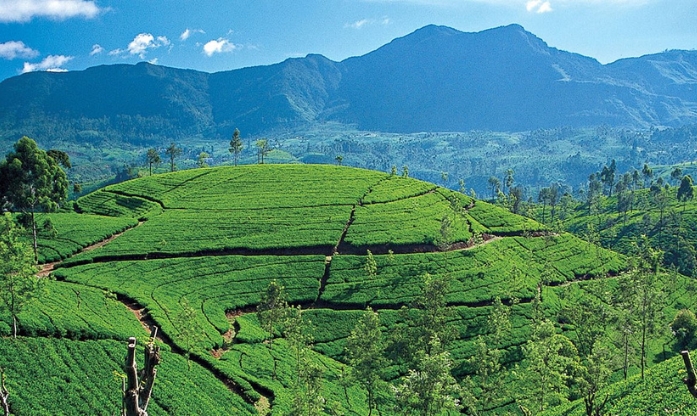
Nestled in the misty highlands of Sri Lanka, the country’s tea fields are a breathtaking blend of natural beauty, rich history, and cultural heritage. Known globally for its Ceylon tea, Sri Lanka is one of the world’s largest tea producers — and its rolling plantations offer more than just a flavourful brew.
A Legacy Brewed in the Hills
The story of tea in Sri Lanka began in the 19th century under British colonial rule. After a devastating coffee blight, planters turned to tea as an alternative crop. Scottish planter James Taylor is credited with pioneering the island’s first commercial tea plantation in 1867 in the Kandy region. Today, the country’s name is synonymous with high-quality black tea — Ceylon tea — enjoyed around the globe.
Where to Visit – Iconic Tea Regions
- Nuwara Eliya
Often called “Little England,” this cool-climate region is famous for its high-grown tea. Visitors can stroll through emerald-green estates, tour historic tea factories, and sip freshly brewed cups while overlooking valleys veiled in mist. - Ella
A backpacker favourite, Ella’s tea fields are framed by waterfalls and dramatic mountain scenery. The train ride to Ella is one of the most scenic in the world, cutting through vast plantations and lush forest. - Kandy
As the birthplace of Sri Lanka’s tea industry, Kandy offers a blend of history and horticulture. Many plantations here welcome guests for immersive experiences that include tea plucking and tasting sessions.
The Tea Experience
A visit to a Sri Lankan tea estate is both sensory and educational. You can watch women skillfully pluck two leaves and a bud — the perfect pick for premium tea — and then follow the leaves through the factory’s withering, rolling, oxidizing, and drying processes.
Most estates have charming colonial-style bungalows where visitors can enjoy “high tea” amid gardens, sipping delicate blends paired with pastries and local snacks.
More Than Just a Drink
Tea is deeply interwoven with the livelihoods of thousands of Sri Lankans. The industry supports over a million people, many of whom are Tamil women descended from Indian laborers brought during the British era. Today, efforts are growing to improve working conditions and promote ethical, sustainable tea production.
Final Sip
Whether you’re a tea lover or a traveler chasing postcard-perfect landscapes, Sri Lanka’s tea fields offer a serene and enriching escape. From sipping aromatic blends at source to hiking among vibrant green terraces, it’s an experience that leaves you refreshed — in more ways than one.
Would you add a visit to the tea trails to your Sri Lanka itinerary?